

CULTURAL VISIT: PARIS DURING THE BELLE ÉPOQUE
Saturday, February 7, 2026
The Belle Époque refers to an idealized period of prosperity, political stability, and optimism in France between the end of the 19th century and the start of World War I. Despite social inequalities and tensions, the Belle Époque was marked by significant economic growth, scientific and technical advances, and cultural and artistic flourishing.
In Paris, the city was lit by electricity, the metro appeared, and shop windows sparkled at night. Cafés, cabarets, and theaters flourished. In the wealthy neighborhoods, the bourgeoisie flaunted their wealth: long dresses, corsets, hats, canes, horse-drawn carriages, and then automobiles. The World’s Fairs (notably those of 1889 and 1900) celebrated science, industry, and peace. The Eiffel Tower, initially criticized, became the emblem of Paris and technical progress.
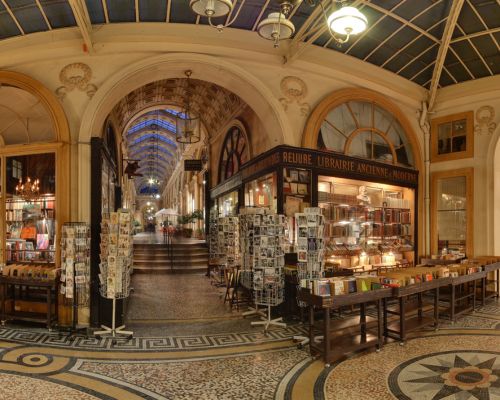
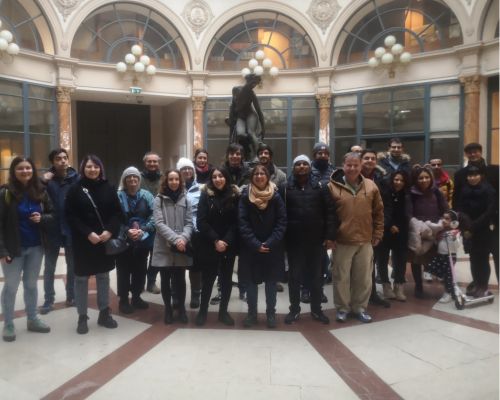
Immerse yourself in the hustle and bustle of Paris during the Belle Époque! Follow our history-loving tour guide through some of Paris’s most legendary locations: theaters, covered passages, famous brasseries, and more.
Programme
- (1:30 p.m.: Optional self-guided tour of the Grévin Museum*)
- 3 p.m.: Start of the guided walking tour in Englis in front of the Grévin Museum
- 5 p.m.: Tea time at the famous Parisian brasserie Le Grand Colbert
- 6 p.m.: End of the tour
Participation fees: 29€ (guided tour in English + hot beverage & pastry in a beautiful historical brasserie)
*Optional, entry ticket to the Grévin Wax Museum +€24
Payment upon registration (read the terms and conditions)
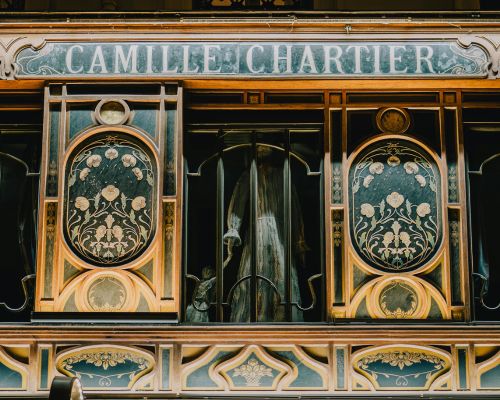
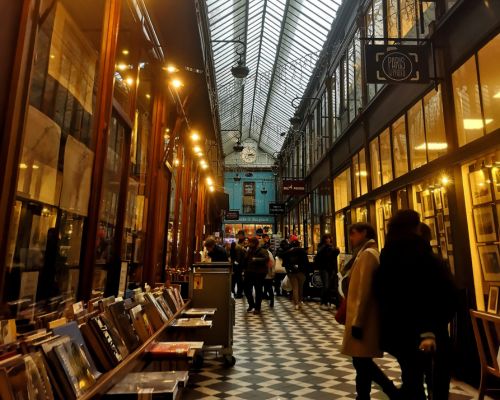
*Optional: visit the Grévin wax museum (self-guided tour with our group)
Visit the magnificent Musée Grévin, a true architectural heritage site, and discover its wax figures and reconstructions depicting kings, artists, scientists, and more. An immersive introduction to the era of our visit!
Ticket: €24 (in addition to the tour participation fee)
This option must be booked before January 30.
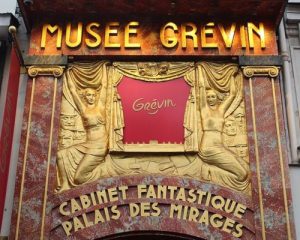
Photo credits: (banner)Tableau de Jean Béraud, Après l’Office à l’Eglise de la Sainte-Trinité (1900), Private collection, long-term loan to the Musée d’Orsay ; (Galerie Vivienne) Photo by Benh Lieu Song via Wikimedia Commons ; (Bouillon Chartier facade) Canva ; (Grévin museum facade) Chabe01, CC BY-SA 4.0, via Wikimedia Commons